

Matera, Italy – September 2025.
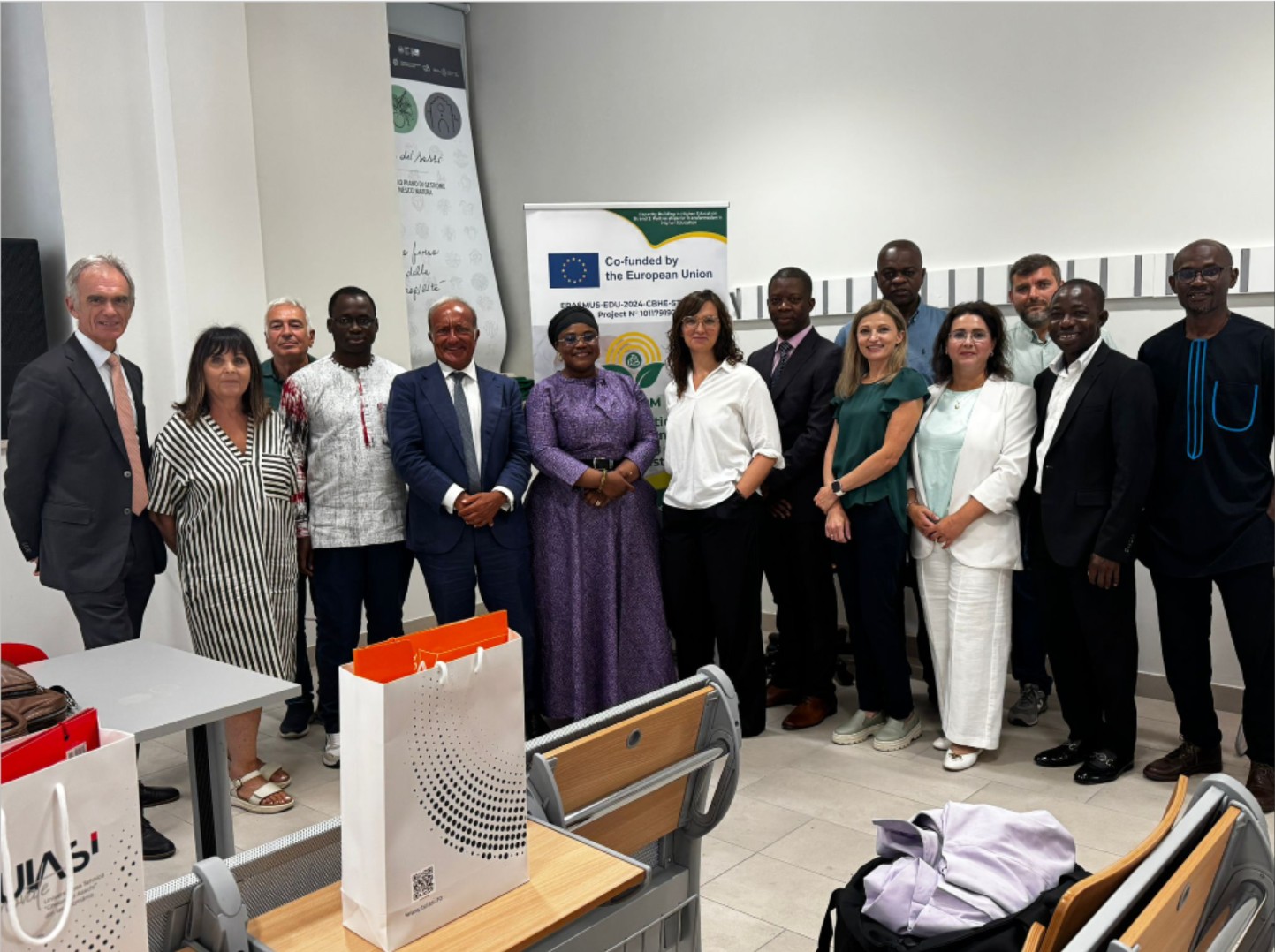
From Monday 15th to Friday 19th September 2025, academic leaders, researchers, and technical experts convened at the University of Basilicata (UNIBAS) and across Italy’s cutting-edge environmental facilities to exchange knowledge and co-develop sustainable curricula aimed at tackling one of the world’s most pressing challenges, waste management.
The event opened at UNIBAS Matera campus, where project partners, including institutions from Portugal, Romania, Sierra Leone, Ghana, and Burkina Faso, gathered for strategic discussions. Core sessions focused on building graduates’ employability, creating new academic modules, and embedding entrepreneurship within waste management education.
Participants explored Italy’s state-of-the-art laboratories in environmental and biosystems engineering, gaining firsthand exposure to advanced teaching methods and technologies. These experiences are set to directly inform new academic products and teaching materials on Sustainable Solid Waste Management, which will be rolled out across partner universities in Africa.
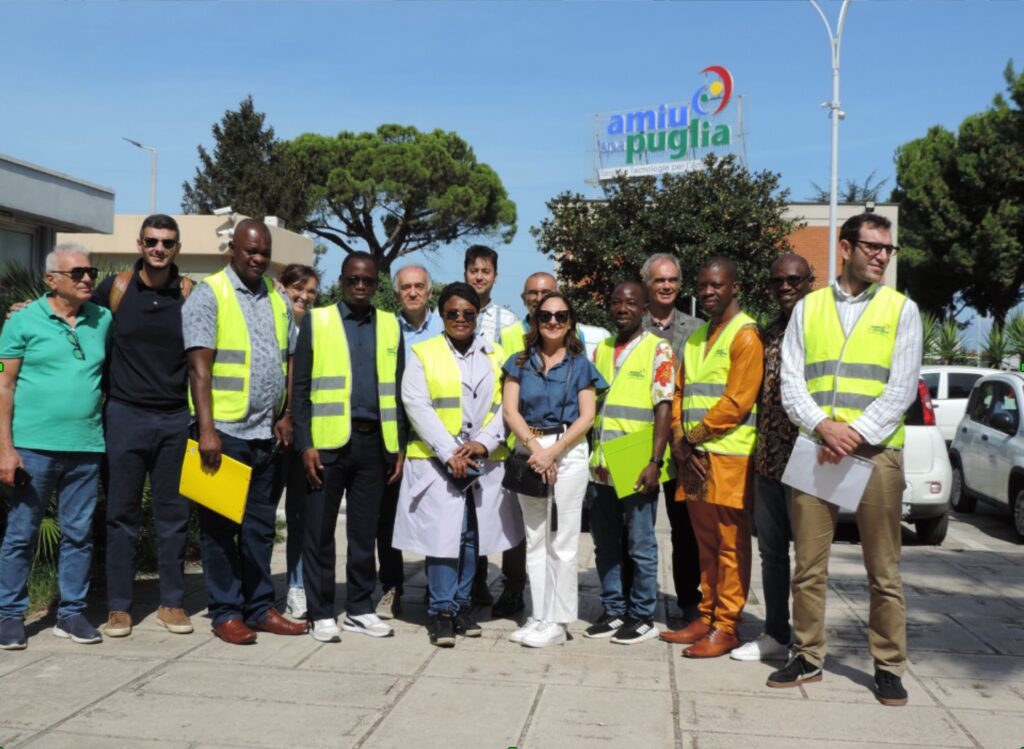
The week blended academic dialogue with practical immersion. Delegates visited major waste management facilities, including SEARI (Atella), AMIU (Bari), COREPLA (Modugno), and LaCarpia (Ferrandina). Each site offered valuable insights into Italy’s integrated systems for sorting, recycling, and managing urban solid waste.
Workshops later in the week focused on designing educational products tailored to African contexts, ensuring knowledge transfer is both technically robust and locally adaptable. The programme concluded with a high-level seminar featuring Prof. Raffaello Cossu, a leading authority in waste technologies, alongside experts in innovative urban waste solutions.
By blending European expertise with African innovation, the WARM Project is designing a new curriculum for graduate studies that will prepare young Africans to tackle environmental challenges through education, research, and enterprise. The week in Matera and Potenza was more than an academic exchange; it was a testament to global cooperation in shaping sustainable futures.
Dr. Muckson Sesay from Central University of Sierra Leone noted, “This collaboration is not only about waste management, it is about empowering institutions and communities with the knowledge to create long-term environmental resilience.”
Leave a Reply